
Optimal Pest Management Techniques for Cannabis Growers

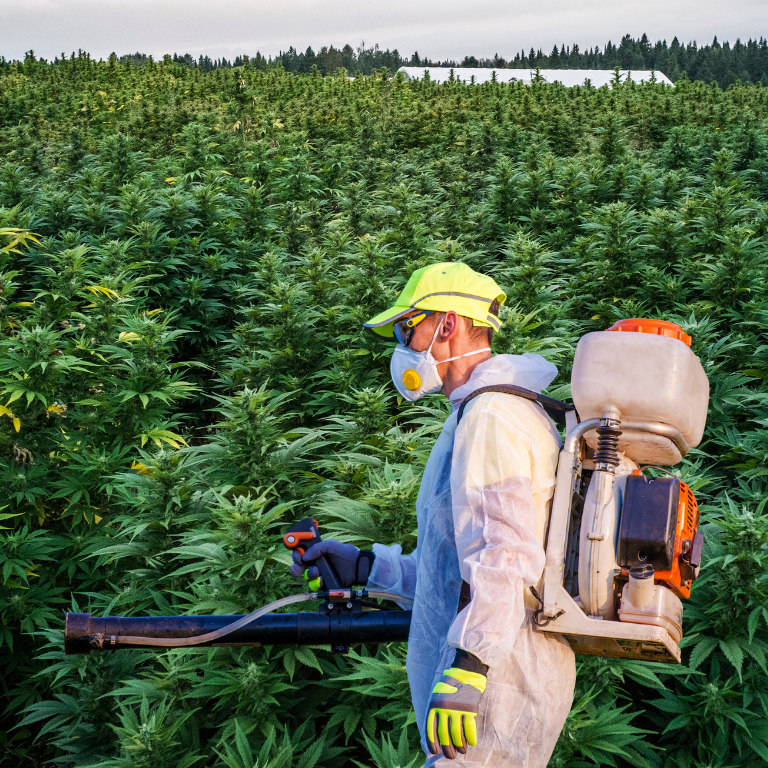
Cannabis cultivation presents unique challenges, particularly when it comes to managing pests. The need for high-quality, chemical-free crops necessitates innovative approaches to pest control. Integrated Pest Management (IPM) is a sustainable solution that balances pest control with environmental and human health.
Pest control is a critical aspect of cannabis cultivation. Effective management ensures healthy crops, maximizes yield, and maintains quality. The traditional reliance on chemical pesticides poses risks to both consumers and the environment. Integrated Pest Management (IPM) offers a holistic approach that minimizes these risks while maintaining effective pest control.
Importance of Pest Control in Cannabis Cultivation
Cannabis plants are susceptible to various pests, including insects, mites, and fungi, which can significantly impact crop quality and yield. Effective pest control is essential to prevent crop loss, ensure compliance with health and safety regulations, and produce high-quality cannabis. IPM provides a sustainable and effective solution for managing these pests.
What is Integrated Pest Management (IPM)?
IPM is a multifaceted approach to pest control that emphasizes the use of various strategies to manage pest populations. The goal of IPM is to minimize the use of harmful chemicals by combining biological, cultural, mechanical, and chemical controls.
History and Evolution of IPM
IPM has its roots in agricultural practices dating back to the early 20th century. It evolved as a response to the overuse of chemical pesticides, which led to resistance in pest populations and environmental concerns. Today, IPM is widely recognized as a sustainable approach to pest management in various crops, including cannabis.
Key Principles of IPM
Prevention
Prevention is the cornerstone of IPM. By creating unfavorable conditions for pests, cultivators can reduce the likelihood of infestations.
Monitoring
Regular monitoring helps identify pest problems early. This involves inspecting plants for signs of pests and using tools like pheromone and sticky traps.
Identification
Correctly identifying pests is crucial for effective control. This includes distinguishing between harmful pests and beneficial insects that can aid in pest management.
Action Thresholds
Action thresholds determine when pest populations have reached a level that requires intervention. These thresholds help avoid unnecessary pesticide use.
Control Methods
IPM employs a variety of control methods, including biological, mechanical, cultural, and chemical controls. These methods are used in combination to effectively manage pest populations.
Prevention Strategies in IPM
Cultural Practices
Cultivating cannabis in a way that reduces pest problems is fundamental to IPM. This includes proper planting techniques and crop rotation.
Sanitation
Keeping the growing area clean helps prevent pests. This includes removing plant debris and sterilizing equipment.
Resistant Strains
Growing pest-resistant strains of cannabis can reduce the need for chemical interventions.
Monitoring Techniques
Regular Inspections
Frequent inspections of the crop are necessary to detect early signs of pest activity.
Pheromone Traps
Pheromone traps attract and capture specific pests, helping to monitor their populations.
Sticky Traps
Sticky traps are used to catch flying insects, providing a visual indication of pest presence.
Pest Identification
Common Pests in Cannabis Cultivation
Identifying common pests such as spider mites, aphids, and whiteflies is essential for targeted control.
Beneficial Insects
Recognizing beneficial insects like ladybugs and predatory mites can help in managing pest populations naturally.
Establishing Action Thresholds
Economic Thresholds
These thresholds are based on the economic impact of pest damage. Intervention is necessary when pest populations threaten profitability.
Aesthetic Thresholds
For cannabis grown for aesthetics, action thresholds may be based on the visual impact of pests on the plants.
Biological Control Methods
Predatory Insects
Using predatory insects such as ladybugs and lacewings can naturally reduce pest populations.
Parasitic Wasps
Parasitic wasps lay their eggs in pest insects, controlling their numbers.
Nematodes
Beneficial nematodes can be used to target soil-dwelling pests.
Mechanical and Physical Controls
Barriers
Physical barriers like screens and row covers prevent pests from reaching the plants.
Handpicking
Removing pests by hand is a simple but effective method for small infestations.
Vacuuming
Vacuuming pests off plants can be an effective control method for certain insects.
Cultural Control Methods
Crop Rotation
Rotating crops can disrupt pest life cycles and reduce infestations.
Intercropping
Planting different crops together can deter pests through increased biodiversity.
Mulching
Mulching helps maintain soil moisture and can reduce weed growth, which in turn reduces pest habitats.
Chemical Controls in IPM
Organic Pesticides
Organic pesticides derived from natural sources are preferred in IPM for their lower environmental impact.
Selective Pesticides
Selective pesticides target specific pests, reducing harm to beneficial insects.
Application Techniques
Proper application techniques ensure pesticides are used effectively and safely.
Implementing IPM in Cannabis Cultivation
Steps to Develop an IPM Plan
Developing an IPM plan involves assessing pest risks, setting action thresholds, and choosing appropriate control methods.
Common Pests in Cannabis Cultivation
Spider Mites
Spider mites are a common pest that can cause significant damage to cannabis plants.
Aphids
Aphids suck sap from plants, weakening them and potentially transmitting diseases.
Whiteflies
Whiteflies are small, white insects that feed on plant sap and excrete a sticky substance.
Using Beneficial Insects
Ladybugs
Ladybugs are natural predators of many cannabis pests, including aphids and spider mites.
Lacewings
Lacewing larvae are voracious predators of soft-bodied insects like aphids.
Predatory Mites
Predatory mites can control populations of spider mites and other small pests.
Monitoring and Record-Keeping
Importance of Documentation
Keeping detailed records of pest activity and control measures is essential for effective IPM.
Tools and Techniques
Various tools, such as digital logs and pest identification guides, can aid in monitoring and documentation.
Soil Management
Healthy Soil Practices
Maintaining healthy soil through proper pH balance and nutrient management supports robust plant growth.
Soil Amendments
Amending soil with organic matter improves its structure and fertility.
Composting
Composting plant waste can provide a valuable source of nutrients for cannabis plants.
Environmental Control
Humidity and Temperature Management
Controlling humidity and temperature levels can reduce the risk of pest infestations.
Air Circulation
Good air circulation helps prevent fungal diseases and supports plant health.
Education and Training
Staff Training Programs
Training staff in IPM techniques ensures consistent and effective pest management practices.
Workshops and Resources
Participating in workshops and utilizing available resources can enhance knowledge and skills in IPM.